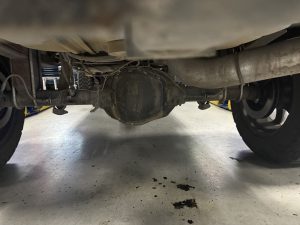
Changing the oil in your diesel truck doesn’t have to be a big, greasy mess. In fact, with a little planning and some smart tips, you can do the job neatly and confidently—right in your driveway or garage.
This guide will walk you through everything you need to know to keep your hands, clothes, and floor clean while giving your truck the care it needs.
Why Oil Changes Matter for Diesel Trucks
Diesel engines work harder than regular gas engines. They pull heavy loads, run hotter, and stay on longer. That’s why they need high-quality oil that can handle the pressure. Over time, though, oil breaks down and gets dirty with things like soot, metal shavings, and grime from the engine.
If you skip oil changes, your engine starts to suffer. Dirty oil can clog filters, create buildup, and even cause engine failure. Changing your oil on time:
- Keeps your engine running smoothly
- Prevents expensive repairs
- Improves fuel efficiency
- Helps your truck last longer
So, taking care of your truck’s oil isn’t just maintenance—it’s protection for one of the most important parts of your vehicle.
Tip #1: Get Everything Ready First
One of the easiest ways to keep the job clean is by getting organized before you start. This saves time and keeps you from running around with oily hands.
Here’s what you’ll need:
- Socket wrench and oil filter wrench
- A wide, deep oil drain pan (at least 3 gallons)
- A funnel for pouring oil
- Gloves (preferably nitrile)
- Paper towels or rags
- A new oil filter
- The correct type and amount of diesel engine oil
- Ramps or jack stands (if your truck sits low)
- A plastic tarp, cardboard, or an old blanket to catch spills
Why this matters: When everything is within arm’s reach, you won’t drip oil across the garage floor trying to find a missing wrench or rag.
Tip #2: Warm Up the Engine
Cold oil is thick and moves slowly. Warm oil flows out faster, which helps you drain more of the old oil from the engine.
Here’s what to do:
- Start your truck and let it idle for 5–10 minutes.
- Shut it off and wait another 5 minutes to cool slightly.
- Open the hood to let out some of the heat.
Why this matters: Warm oil removes more built-up grime. You’ll get a more complete oil change and reduce the chance of buildup over time.
Tip #3: Use a Drain Plug Catcher
One of the messiest parts of any oil change is removing the drain plug. The oil shoots out fast and can splash everywhere if you’re not ready.
Here’s how to avoid a mess:
- Place the drain pan directly under the oil plug, angled slightly back since oil flows out in a stream.
- Loosen the plug slowly with a socket wrench.
- Once it’s loose, use your fingers to finish unscrewing it.
- Guide the plug down into the pan as the oil flows.
Cleaner trick: Cut a small plastic bottle in half and place it under the plug to catch both the oil and the bolt. This stops oil from hitting your hand or the ground.
Tip #4: Swap Out the Filter Without Spills
Oil filters can get really messy, especially when they’re mounted sideways or upside down. When you remove one, leftover oil usually leaks out.
Here’s how to do it cleanly:
- Wrap a rag or paper towel around the base of the filter before removing it.
- Use a screwdriver to gently punch a small hole in the bottom of the filter to drain it before removal.
- Use an oil filter wrench to twist it off slowly and steadily.
- Hold the filter upright to avoid spills.
Before putting on the new filter, apply a little fresh oil to the rubber gasket on the top of the new filter. This helps create a tight seal and makes it easier to remove next time.
Why this matters: Filters hold dirty oil and can easily cause a mess. Handling it the right way keeps oil off your engine and garage floor.
Tip #5: Use a Funnel—Always
Pouring oil without a funnel is like trying to fill a water bottle without looking—something’s going to spill. Funnels are cheap, easy to use, and save you cleanup time.
To refill your engine oil:
- Double-check your manual for the exact oil type and quantity.
- Insert the funnel into the oil fill cap.
- Slowly pour in the new oil.
- Check the dipstick every few quarts so you don’t overfill.
Diesel fact: Diesel trucks often need more oil than gas vehicles. Some trucks require up to 10–12 quarts, so take your time.
Tip #6: Keep a Trash Bag Handy
You’ll be surprised how helpful a simple garbage bag can be. Lay it flat next to your tools or oil pan and use it for:
- Throwing away oily gloves and rags
- Storing the old oil filter
- Wrapping around the drain pan after use
- Transporting the used oil to a recycling station
Keeping waste contained keeps your garage clean and reduces chances of stepping in oil or dragging it into the house.
Tip #7: Don’t Forget the Final Check
After everything’s back in place, it’s time for the final and very important steps:
- Start the engine and let it run for 1–2 minutes.
- Check under the truck for drips or leaks.
- Turn off the engine and let it rest for 5 minutes.
- Pull out the dipstick, wipe it clean, and reinsert.
- Pull it out again and check the oil level.
If the oil is at the full line—great job! If not, add a little more and repeat the check.
Why this matters: A clean oil job is only good if everything is working properly. Leaks, loose plugs, or too little oil can cause major problems if you don’t catch them early.
Bonus Tip: Recycle Your Used Oil
Used motor oil is full of harmful chemicals. Never dump it into the ground, down a drain, or in the trash. Instead:
- Pour the oil into your old oil container or a sealed jug.
- Bring it to your local auto parts store or recycling center.
- Most places will take it for free and recycle it safely.
Why this matters: Proper disposal keeps your community clean and protects water and soil from pollution.
Final Thoughts
Changing oil in a diesel truck might sound like a big job—but with these tips, it becomes a clean, simple task you can be proud of. The more prepared you are, the easier it is to avoid spills, splashes, and stress.
You’ll not only save money by doing it yourself, but you’ll also keep your truck in top shape for the long haul. Clean oil equals a clean-running engine. And a clean job? That’s just smart maintenance.
So grab your gloves, line up your tools, and give your diesel truck the fresh start it deserves—without the mess.