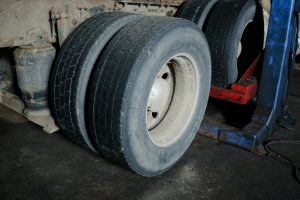
A flat tire means your tire has lost most or all of its air. Think of a tire like a balloon—it needs air pressure to stay round and strong. Without air, the tire becomes soft and squished. That’s when driving becomes dangerous.
Tires go flat for many reasons. You might drive over something sharp like a nail or piece of glass.
Maybe you hit a pothole or a curb too hard. Sometimes, the valve that lets air in and out wears down and leaks. Old tires that have been used for too long can also become weak and crack.
Once your tire is flat, your car feels different. It may pull to one side, shake, or make strange thumping sounds. You might also notice your car sits lower on the side with the flat tire.
Can You Drive on a Flat Tire?
Here’s the truth: you can—but only for a very short distance.
Experts and mechanics all agree that driving on a flat tire is dangerous. Still, in some cases, you might need to move your car out of traffic or to a nearby parking lot. In those situations, you can drive 1 to 2 miles at most, and only at a slow speed—under 15 miles per hour.
Driving any farther or faster can seriously damage your car and put you in danger.
Why Driving Far on a Flat Is a Bad Idea
Let’s dig into why it’s such a big deal to drive on a flat tire. Here are some of the problems it can cause:
1. Rim Damage
Your tire normally keeps the metal wheel—called the rim—off the ground. But when the tire is flat, the rim may hit the road directly. This can bend the rim or even crack it. Fixing or replacing a rim can cost hundreds of dollars.
2. Tire Shredding
A flat tire isn’t just low on air. If it’s fully flat and you keep driving, the rubber can start to tear apart. The tread (the part of the tire that touches the road) may rip away from the sidewall. That shredded tire is no longer usable, and you’ll need a replacement.
3. Suspension and Alignment Damage
Your suspension is the system that helps your car stay stable, even on bumpy roads. Driving with a flat puts uneven pressure on the suspension. It can also knock your wheels out of alignment, which causes your car to pull to one side and wear out your tires faster.
4. Safety Risks
Flat tires make your car harder to steer and harder to stop. If you’re on a busy road, in bad weather, or near other drivers, this can be extremely dangerous. You might lose control or take longer to brake, increasing your chance of a crash.
When Can You Drive a Short Distance on a Flat?
There are some situations where you may need to move your car—even if you have a flat. For example:
- You’re in the middle of the road and need to pull over to the side.
- You’re blocking traffic at a red light or stop sign.
- A tire shop is within walking distance or just around the corner.
In these rare cases, it might be okay to drive just a little. But you need to be very careful.
If you must drive a short distance:
- Go slow—under 15 mph
- Avoid sharp turns and bumps
- Stay off the highway
- Turn on your hazard lights
- Drive straight to a safe spot and stop
Remember, this is only for emergencies. Don’t use this as an excuse to drive home or to work. The goal is safety, not convenience.
What About Run-Flat Tires?
Some cars today come with run-flat tires. These are special tires designed to keep working even after losing air.
How do they work? Run-flat tires have extra-strong sidewalls that support the weight of the car even when there’s no air inside. That means you can drive on them for a little while without causing damage.
Most run-flat tires let you drive:
- Up to 50 miles
- At speeds under 50 mph
This gives you time to get to a tire shop safely. But even with run-flats, you should still get the tire fixed or replaced right away. Driving farther than the limit can ruin the tire completely—and possibly the wheel, too.
Tip: Not all cars have run-flat tires. If you’re not sure, check your car manual or ask a mechanic.
What to Do If You Get a Flat Tire
Now that you know not to drive far, let’s talk about what you should do when you get a flat.
Step 1: Stay Calm
If you notice a flat while driving, don’t panic. Slow down and keep both hands on the wheel.
Step 2: Pull Over Safely
Find a safe spot to stop—ideally a flat, wide shoulder or parking lot. Avoid stopping in curves or narrow roads if possible.
Step 3: Turn on Hazard Lights
Turn on your emergency lights to warn other drivers that you’re having trouble.
Step 4: Inspect the Tire
If it’s safe, get out and check the tire. See if it’s completely flat or just low on air.
Step 5: Call for Help
If you have roadside assistance, now’s the time to use it. Most insurance plans or services like AAA offer tire help. If not, call a tow truck or mobile tire repair service.
Step 6: Use a Spare Tire (If You Can)
If you know how to change a tire and have a spare, you can swap the flat for the spare. Just remember:
- “Donut” tires are only good for short trips (about 50 miles)
- You still need to visit a tire shop to fix or replace the original tire
How to Prevent Flat Tires in the Future
No one wants to deal with a flat tire. Luckily, there are some easy steps to help prevent them:
- Check tire pressure once a week. Use a tire pressure gauge or go to a gas station with an air pump.
- Avoid potholes and road debris. Sharp objects and rough roads can damage your tires.
- Rotate your tires every 5,000 to 7,000 miles. This helps them wear evenly.
- Replace old or worn tires. If your tires have little tread left or are more than 6 years old, it’s time for new ones.
- Inspect for damage. Look for cracks, bulges, or nails stuck in the tread.
Final Answer: How Far Can You Go on a Flat Tire?
Here’s the bottom line: don’t go far at all.
- If your tire is completely flat, drive no more than 1–2 miles, and only at slow speed to get to safety.
- If you have run-flat tires, you might get up to 50 miles, but drive carefully and don’t push the limit.
The best thing you can do is pull over, stay safe, and get help. Driving too far on a flat can turn a small problem into an expensive one.
In Conclusion
A flat tire might seem like a small issue, but it can cause big problems if you ignore it. Trying to drive far on a flat is like trying to run a race with a sprained ankle—it won’t end well.
So next time you find yourself with a flat, remember:
✅ Stop safely
✅ Drive short and slow (if needed)
✅ Get help fast
✅ Don’t take chances
Your car, your safety, and your wallet will all be better off.